


Some roof top tents are designed to get you off the ground. James Baroud tents are designed to make life on the road feel easier, calmer and more dependable—night after night, season after season.
If the name is new to you, this introduction covers where James Baroud tents come from, what makes the range distinctive, which model differences matter, and why build quality deserves serious attention when your shelter travels at highway speed and sleeps outside in coastal rain, summer heat and shoulder-season wind.
Where are James Baroud tents from?
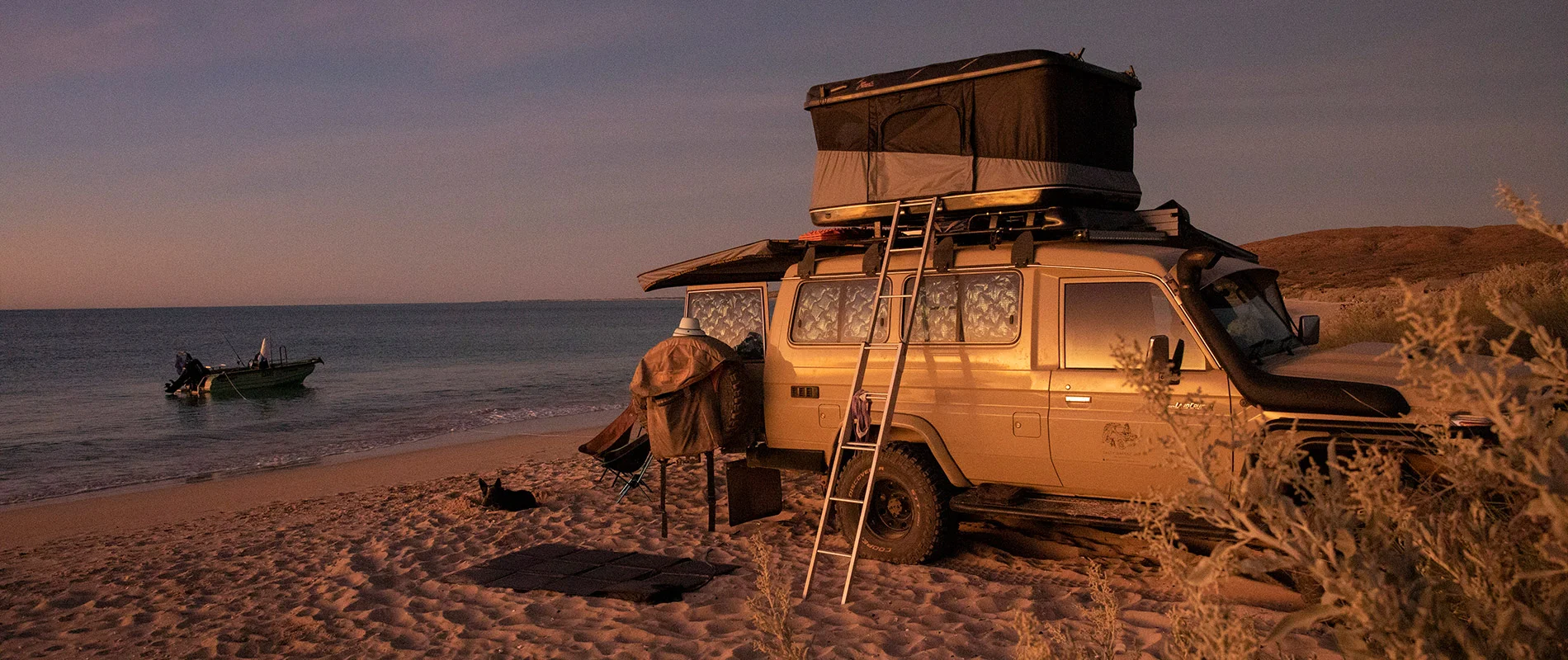
James Baroud is a Portuguese roof top tent brand with a long history of European tent design and manufacturing. The company traces its tent-making experience back through decades of technical shelter production and has been producing roof top tents since the 1990s. Today, its tents are handmade in Europe using European-sourced materials and are supported by a five-year warranty.
That background matters. A roof top tent is not simply camping fabric on a car roof. It is a moving outdoor system: shell, hinges, fabric, mattress, ventilation, seals, ladder and mounting hardware all need to work together through vibration, weather and repeated opening and closing.
What sets James Baroud apart?
The appeal is not one headline feature. It is the way dozens of practical details add up.
- Fast, simple setup: Many hard-shell models use assisted opening and are designed to be ready in about a minute. That changes how often you are willing to stop, camp and move on.
- All-season thinking: Weather-resistant shells, high-tension fabric and model-specific ventilation help create a more controlled sleeping environment when conditions turn wet, windy or hot.
- Comfort that feels intentional: Mattress quality, interior space, airflow, insect screening, noise control and usable headroom are treated as core design decisions—not afterthoughts.
- A broad model family: Pop-up, clamshell and soft-shell formats let buyers choose around sleeping capacity, vehicle size, opening style and the way they travel.
- Longevity and support: Replaceable components, established manufacturing and a five-year tent warranty provide a different ownership proposition from a short-term, price-first purchase.
The key differences to consider
There is no single “best” James Baroud tent for everyone. Start with how you actually travel.
Pop-up or clamshell?
A pop-up design, such as the Evasion, lifts more evenly and creates generous headroom across the sleeping platform. It suits couples and families who value an open, room-like interior. A clamshell design opens higher at one end, often giving a lower travel profile and quick operation. Models such as the Discovery and Nova appeal to travellers who prioritize efficiency, aerodynamics and a compact closed form.
Capacity and footprint
Buying the largest tent is not automatically the best choice. Match sleeping capacity to your usual crew, but also consider roof dimensions, dynamic roof-load rating, rack spacing, vehicle height and the room required to open doors, ladders or awnings. A couple may appreciate extra interior space; a smaller vehicle may benefit from a lighter, more compact model.
Interior height and living style
Tall campers and people who spend more time inside during poor weather should pay particular attention to headroom and wall geometry. Families may value a broad sleeping platform, while solo travellers and frequent movers often prioritize quick pack-down.
Accessories and the complete camp
Think beyond the tent. Bedding systems, thermal insulation, quick-release bars, awnings, tunnels, rooms and storage accessories can make the setup more comfortable and easier to live with. Choosing an integrated system now can prevent awkward compatibility compromises later.
Who are James Baroud tents ideal for?
- Travellers who camp frequently and want setup to feel effortless.
- Couples and families planning multi-season road trips.
- Overlanders who expect repeated use on rough roads and in changing weather.
- Owners who care about comfort, finish and long-term serviceability.
- Campers who would rather buy once and build a reliable system around the tent.
They may be more tent than an occasional fair-weather camper needs. But for someone who uses a roof top tent as a genuine travel tool—especially in the variable conditions of Vancouver Island and coastal British Columbia—the benefit is felt in every arrival, every wet pack-down and every good night’s sleep.
Why quality matters on the roof
At ground level, an inexpensive tent can be annoying when a zip snags or a seam seeps. On a vehicle roof, the consequences are larger. The tent is exposed to aerodynamic pressure, vibration, UV, rain, temperature swings and road grit before it even reaches camp. Its mounting system also interacts with your vehicle and roof rack.
Quality shows up in shell stiffness, hinge alignment, sealing surfaces, fabric tension, ladder stability, mattress support, insect mesh, hardware corrosion resistance and the consistency of every opening and closing cycle. It also shows up after the sale: documentation, parts, knowledgeable installation and people who can help when a question arises.
What can go wrong with an entry-level tent?
Price alone does not determine quality, and there are sensible entry-level tents. The trade-offs usually appear after repeated use rather than on showroom day. Common frustrations can include:
- Condensation from limited airflow or poor under-mattress ventilation.
- Thin mattresses and pressure points that make longer trips tiring.
- Noisy fabric, drafts or water entry when seals and tensioning are less refined.
- Sticky zippers, tired gas struts, loosening hardware or accelerated UV wear.
- More complicated setup and pack-down, which becomes a burden on moving trips.
- Difficulty sourcing replacement parts or reaching knowledgeable support.
- A shell or frame that feels less composed after kilometres of vibration and weather exposure.
A higher-quality tent costs more up front because more of the ownership experience has been engineered: how it travels, how quickly it opens, how it sleeps, how it handles weather and how it is supported years later. The real comparison is not just purchase price. It is cost per night, confidence in poor conditions and whether the tent encourages you to take more trips.
Meet the family
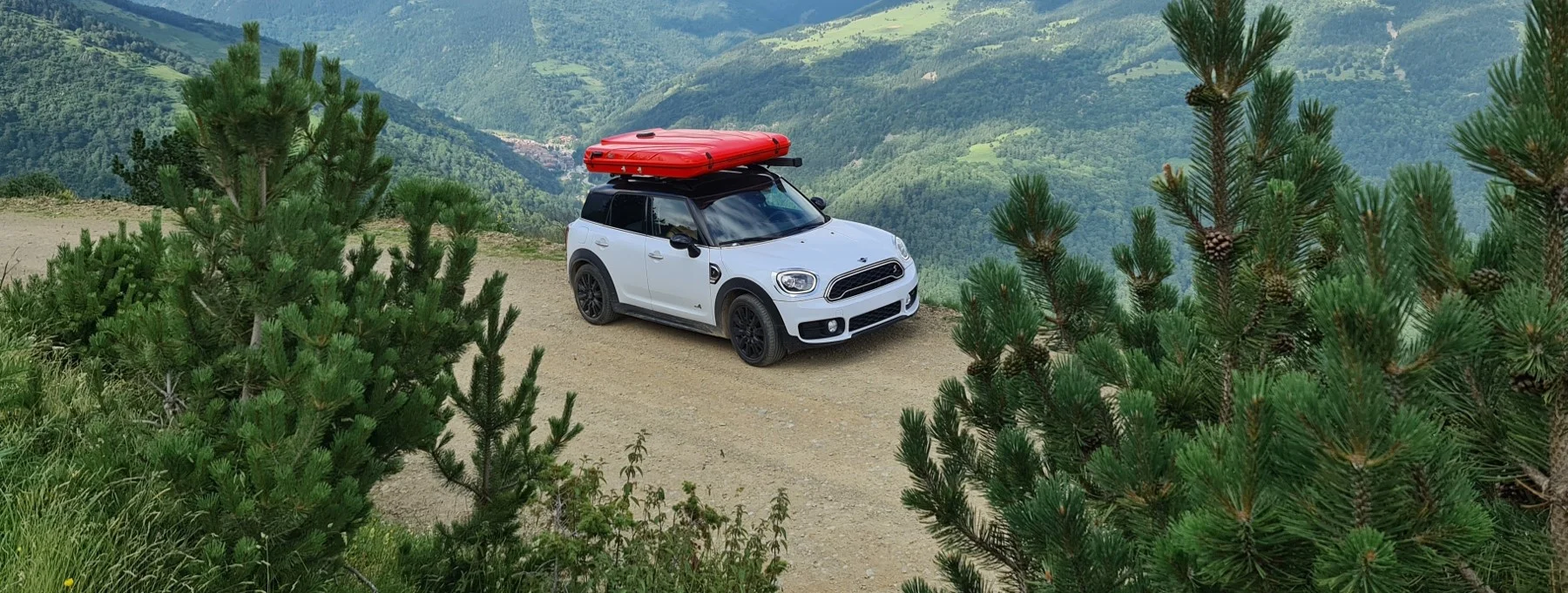
From the roomy Evasion and tall-camper-friendly Space to quick clamshell designs such as Discovery and Nova, the James Baroud family gives buyers meaningful choices instead of cosmetic variations. The right starting point is a conversation about your vehicle, your travellers, your climate and how often you plan to move camp.
Ready to find your fit? Explore our James Baroud collection or contact Vancouver Island Roof Top Tent. We can help compare sizes, confirm rack and vehicle considerations, and build a setup that makes sense for the way you travel.

Leave a comment
Comments will be approved before showing up.
Also in Blog


TRAK Kayaks Have Arrived: High-Performance Sea Kayaks Built to Travel


Our First James Baroud Demo Unit Has Arrived: Come Experience the Difference

